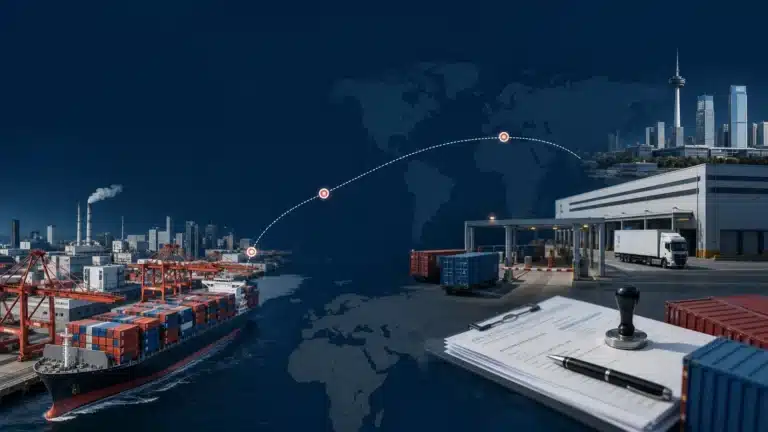

In today’s volatile global economy, supply chain optimization is no longer a back-office efficiency exercise. It is a strategic advantage. Companies that optimize their supply chains can reduce costs, respond faster to market changes, manage risk more effectively, and deliver better customer experiences.
From our experience working closely with brands, manufacturers, and distributors across Asia, Europe, and North America, we’ve seen one clear pattern: businesses that treat supply chain optimization as a continuous, data-driven discipline consistently outperform those that see it as a one-time project.
Read more about Supply Chain Sourcing
What Is Supply Chain Optimization?
Supply chain optimization refers to the systematic process of improving how goods, information, and finances flow across the supply chain, from raw material sourcing to manufacturing, logistics, distribution, and final delivery.
The goal is not just cost reduction. True supply chain optimization balances cost, speed, reliability, flexibility, and risk. Supply chain optimization involves using analytics, automation, and decision intelligence to make supply chains more efficient and resilient.
Core Objectives of Supply Chain Optimization
- Reduce total landed cost
- Improve lead times and on-time delivery
- Increase visibility across suppliers and logistics
- Minimize disruptions and supply risk
- Align supply chain decisions with business strategy
In practice, optimization looks different for every company. A DTC (Direct-to-Consumer) brand sourcing electronics from China has different constraints than a B2B industrial buyer sourcing components across multiple regions.
Read more What Does Minimum Order Quantity (MOQ) and How to Calculate it
Why Supply Chain Optimization Matters More Than Ever
Global supply chains are no longer operating in stable, predictable conditions. In recent years, businesses have been forced to rethink how resilient, flexible, and responsive their supply chains truly are. Supply chain optimization has shifted from a cost-focused initiative to a business-critical capability.
Key factors driving this urgency include:
- Frequent global disruptions that expose fragile sourcing and logistics models
- Rising cost volatility across raw materials, freight, labor, and energy
- Longer and less predictable lead times, making traditional planning unreliable
- Overdependence on single suppliers or countries, increasing operational risk
- Higher customer expectations for speed, availability, and transparency
- Tighter compliance and sustainability requirements across global markets
- Limited visibility beyond tier-1 suppliers, delaying response to issues
- Capital pressure from excess inventory or stockouts, hurting cash flow
These challenges have made it clear that lean but fragile supply chains break under pressure, while optimized supply chains are better positioned to absorb shocks, adapt quickly, and protect long-term growth.
Read more 25 Most Common Supplier Problems and How to Fix Them
What Is the Process of Supply Chain Optimization?
The supply chain optimization process starts with a deep analysis based on forecast demand, which is then translated into a production and inventory plan. This process considers the full end-to-end flow of the supply chain, including incoming materials, manufacturing, transportation, and distribution. At this stage, many organizations also evaluate opportunities to strengthen e-commerce and omnichannel integration.
Most companies work with professional services providers or consultants to implement the technology, process, and organizational changes required to achieve measurable, real-world results.
The 3 Phases of Supply Chain Optimization
Effective optimization requires distinguishing between strategic design decisions and day-to-day operational execution
1) Design
This phase defines the overall supply chain network and strategic structure, including:
- Warehouse and facility locations
- Product flows between suppliers, warehouses, and customers
- Manufacturing objectives and constraints
- Demand forecasting, supply setup, planning, and scheduling
2) Planning
This phase focuses on translating strategy into coordinated plans that balance supply and demand, including:
- Inventory planning
- Deployment planning
- Asset and resource coordination
- Optimization of product, service, and information flows
3) Execution
This phase addresses operational systems and real-time performance, including:
- Warehouse and inventory management
- Transportation management and efficiency
- International trade management
- Supply chain visibility and real-time decision support
- Order placement and execution management
Key Components of Supply Chain Optimization
Supply chain optimization focuses on improving the core areas that directly impact cost, speed, and reliability. While every supply chain is different, the key components are consistent across most organizations:
- Sourcing and Suppliers: Selecting and managing suppliers to balance cost, quality, scalability, and risk. Supplier portfolio diversification (China+1 or regional multi-sourcing strategies) is increasingly used to reduce geopolitical and freight risk exposure.
- Inventory Management: Optimizing stock levels to avoid excess inventory while preventing shortages.
- Production and Operations: Aligning manufacturing capacity and schedules with actual demand.
- Logistics and Distribution: Improving transportation, routing, and fulfillment efficiency.
- Data and Visibility: Using accurate, timely data to support faster and better decisions.
Together, these components form the foundation of an efficient, resilient, and scalable supply chain.
Read more Key Differences Between Trading Companies and Manufacturers
Key Takeaway for Supply Chain Optimization
Supply chain optimization is a continuous, end-to-end process that helps businesses reduce cost, improve efficiency, and manage risk in an increasingly complex global environment. It starts with demand forecasting and strategic network design, followed by planning that balances supply and demand, and execution that ensures smooth daily operations.
By optimizing sourcing, inventory, production, logistics, and data visibility, companies can build more resilient and scalable supply chains. Successful supply chain optimization requires ongoing monitoring, the right technology, and often support from experienced partners to adapt to changing market conditions and sustain long-term growth.
Ready to improve cost, resilience, and scalability across your supply chain? Schedule a free 30-minute supply chain consultation with Zignify and identify practical optimization opportunities.
Frequently Asked Questions About Supply Chain Optimization
- What is supply chain optimization?
Supply chain optimization is the process of improving how products, information, and costs flow from suppliers to customers in order to reduce inefficiencies, manage risk, and improve overall performance. - Why is supply chain optimization important?
It helps businesses lower costs, improve delivery reliability, respond faster to disruptions, and remain competitive in volatile markets. - What are the main goals of supply chain optimization?
The main goals are cost reduction, faster lead times, better inventory control, increased visibility, and stronger supply chain resilience. - How does supply chain optimization reduce costs?
It reduces costs by improving supplier selection, minimizing excess inventory, optimizing transportation, and eliminating process inefficiencies. - What role does demand forecasting play in supply chain optimization?
Demand forecasting provides the foundation for planning production, inventory, and logistics, helping businesses avoid overstocking or stockouts. - What technologies are used for supply chain optimization?
Common technologies include ERP systems, demand planning tools, transportation management systems, inventory optimization software, and data analytics platforms. - How does sourcing impact supply chain optimization?
Sourcing decisions affect cost structure, lead times, quality, and risk, making supplier strategy a critical part of supply chain optimization. - Is supply chain optimization only for large companies?
No. Small and mid-sized businesses can benefit significantly, especially by improving cash flow, reducing risk, and scaling more efficiently. - How long does it take to see results from supply chain optimization?
Timeline depends on scope and data maturity. Tactical improvements may be visible within months, while structural network redesign requires longer-term implementation. - How can companies measure supply chain optimization success?
Success is measured using metrics such as total landed cost, inventory turnover, on-time delivery, lead time variability, and forecast accuracy.