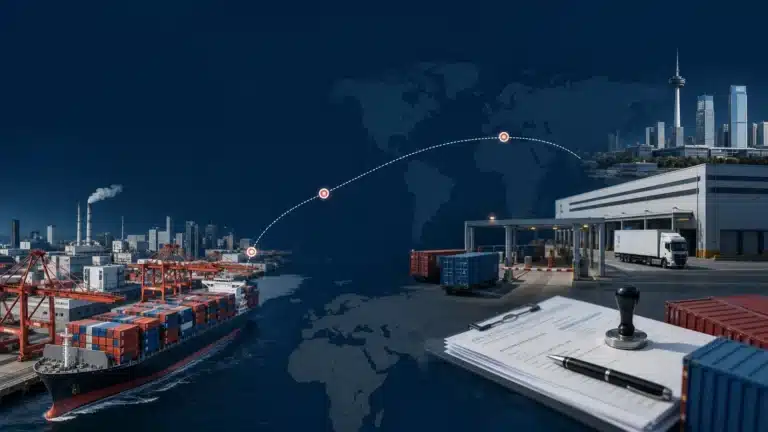

Shipping products from China continues to be one of the most critical steps for global e-commerce sellers, retailers, and import businesses. With China responsible for a massive share of the world’s manufactured goods, moving products efficiently whether by sea, air, rail, or courier, directly impacts your costs, delivery times, and customer satisfaction.
This comprehensive guide breaks down every step of shipping products from China, from selecting the best freight method to preparing documents, handling customs, estimating costs, and avoiding common pitfalls.
Read more Best China Sourcing Agent: Reliable and End-to-End Trusted by 4000+ Clients.
Why Shipping from China Matters
China remains a manufacturing powerhouse due to its varied industries, scalable production capacity, deep supply chains, and competitive pricing. Whether you’re importing electronics, apparel, accessories, furniture, or industrial components, understanding the logistics of international shipping is essential for:
- Cost-effective sourcing
- Timely delivery
- Compliance with international trade rules
- Building reliable supply chains
But the process is not without complexity. Navigating export procedures, choosing the most appropriate shipping method, preparing documents, and clearing customs correctly can make the difference between a seamless delivery and costly delays.
Freight strategy directly impacts total landed cost, cash flow timing, and inventory turnover — three metrics that significantly influence business profitability.
Read more Top International Freight Shipping Companies & How to Choose the Right One
Types of Shipping Methods in China
You have several primary options when shipping from China to destinations worldwide. Each method varies in cost, speed, and best use case.
Ocean Freight (Sea Shipping)
- Best for large or bulk shipments.
- Most cost-effective for full container loads (FCL) or less-than-container loads (LCL).
- Transit times can range from 25–40+ days depending on destination and route.
Pros: lower per-unit cost, great for bulk.
Cons: slower than air or rail.
2.2 Air Freight
- Faster than sea shipping, usually 2–15 days, depending on service level and customs.
- Ideal for urgent shipments or high-value goods where speed outweighs cost.
Pros: quick delivery.
Cons: more expensive, especially for heavy cargo.
2.3 Courier / Express Services
- Carriers like DHL, FedEx, and UPS handle door-to-door deliveries.
- Best for small packages (<100 kg) or samples.
- Often includes customs support.
Pros: convenience, tracking, and speed.
Cons: higher per-kg cost.
2.4 Rail Freight
- Available to Europe and parts of Asia.
- Transit is often faster than sea and cheaper than air.
- An increasingly popular option for China-Europe routes.
Pros: balanced speed and cost.
Cons: limited destination coverage compared to sea/air.
Choosing the Right Shipping Method
Selecting the best shipping method depends on your priorities:
| Priority | Best Option |
| Lowest cost | Sea freight |
| Fastest | Express courier |
| Balance of cost & speed | Rail freight |
| Small urgent parcel | Air / Express |
Additional factors to consider:
- Shipment weight and volume
- Destination infrastructure
- Customs handling requirements
- Time-sensitivity of delivery
A freight forwarder can help evaluate options and align them with your business needs.
Cost Factors When Shipping from China
Shipping costs from China are influenced by multiple variables and can fluctuate significantly depending on market conditions, shipment characteristics, and destination country. Rather than focusing on fixed rates, it is more important to understand the key drivers behind freight pricing.
Primary Cost Drivers:
- Shipping Method: Ocean freight, air freight, rail, and express courier services each have different pricing structures based on speed, capacity, and operational complexity. Generally, faster transit times result in higher transportation costs.
- Shipment Size and Weight: Freight charges are calculated based on volume (CBM), weight, or a combination of both (chargeable weight). Larger consolidated shipments typically reduce the cost per unit compared to smaller, fragmented shipments.
- Distance and Trade Lane: Costs vary depending on origin port, destination country, and the specific trade route. Established routes may offer more competitive pricing due to higher shipment volumes.
- Seasonality and Market Conditions: Peak shipping seasons, fuel price fluctuations, container availability, and global trade disruptions can significantly impact freight rates.
- Additional Charges: Beyond base freight rates, businesses must account for:
- Customs duties and import taxes
- Port handling and terminal fees
- Documentation fees
- Insurance
- Warehousing or storage costs
- Last-mile delivery charges
Understanding Total Landed Cost
Freight cost is only one component of the total landed cost. To accurately evaluate shipping expenses, businesses should calculate:
Product cost + Freight + Insurance + Duties & Taxes + Handling Fees + Local Transportation
A structured landed cost analysis ensures that pricing decisions, profit margins, and cash flow projections remain accurate. Because shipping markets are dynamic, obtaining updated quotations from reliable freight partners before confirming orders is essential.
Read more about Everything You Need to Know about Total Landed Cost
Many businesses choose to work with experienced logistics partners to reduce documentation errors, optimize freight cost, and streamline customs procedures. Let the Zignify team guide you, schedule your free consultation today!
Step-by-Step Guide to Arranging Shipping in China
Breaking down the shipping process makes it easier to plan and execute.
Step 1: Finalize Your Supplier & Contract
Make sure you have a clear purchase agreement with your Chinese supplier, including product specifications, quantity, and delivery terms.
Step 2: Choose Incoterms
Incoterms (e.g., FOB, CIF) determine responsibilities for freight costs, insurance, export customs, and delivery. These terms impact your shipping cost and risk distribution. Misunderstanding Incoterms is one of the most common causes of unexpected freight charges and liability disputes
Step 3: Select a Freight Forwarder
Partner with an experienced forwarder who handles logistics, customs, carrier coordination, tracking, and documentation.
Step 4: Documentation Preparation
Prepare all required documents (more below). Mistakes here are a common cause of delays.
Step 5: Export Customs Clearance
The supplier or forwarder files export customs paperwork with Chinese authorities.
Step 6: Transport & Tracking
Goods are loaded, transported, and tracked until they reach their destination.
Step 7: Import Customs Clearance
Upon arrival, the shipment must go through customs in the destination country — taxes, duties, and inspections may apply.
Step 8: Final Delivery
Once cleared, your goods can be delivered to your warehouse or fulfillment center.
Documents Needed for Shipping Products from China
Before your goods can leave China and clear customs at the destination, several core documents must be prepared correctly. These documents support export customs clearance in China and import clearance in the destination country and they are essential to avoid delays, penalties, or rejected shipments.
Key Documents Required When Shipping From China:
- Commercial Invoice: An official seller-issued invoice that lists the seller, buyer, full product description, quantities, prices, and total value. This is the primary document used by customs to determine duties and taxes.
- Packing List: Detailed listing of the packaging, including dimensions, weight, carton counts, and contents. It helps customs verify the shipment’s physical contents against the invoice and shipping documents.
- Bill of Lading (B/L): For ocean freight, this document issued by the carrier acts as proof of shipment and a title to the goods. It must be consistent with the invoice & packing list.
- Air Waybill (AWB): For air freight, this serves as the transport contract between shipper and airline and replaces the Bill of Lading.
- Export Customs Declaration: Filed with Chinese Customs, this digital declaration includes the HS codes, shipment value, origin, and other details required for export clearance. Correct HS (Harmonized System) classification is critical, as incorrect codes can result in duty miscalculations, penalties, or shipment delays.
- Certificate of Origin (COO): A document confirming where the goods are manufactured. It may help qualify for preferential tariff treatment under trade agreements.
- Export License or Special Permits: Certain products (e.g., food, electronics, chemicals, medical items) may require additional export or safety certificates issued by competent authorities.
- Insurance Certificate: Proof of cargo insurance covering specified risks during transit; often required by buyers and customs.
Depending on the type of goods, destination regulations, or special handling requirements, additional documentation may be necessary such as material safety data sheets (MSDS) for hazardous materials or sanitary and phytosanitary certificates for agricultural products.
Read more The Difference Between Duties, Taxes, and Tariffs for International Shipping
Summary
Shipping products from China involves many steps from choosing the right shipping method and preparing documentation to navigating customs and managing costs. Missing details or errors in these processes can lead to delays, higher fees, or unnecessary headaches. Partnering with a professional logistics and sourcing support team can help you avoid these pitfalls and improve efficiency.
If managing this on your own feels overwhelming, our team at Zignify Global Product Sourcing can simplify the entire process for you. Schedule a free consultation to get expert guidance tailored to your business needs!
Frequently Asked Questions about shipping products from China
- How long does shipping from China take?
It depends on the method: Sea freight: ~25–40+ days, Air freight: ~2–15 days, Express courier: ~3–7 days. - What’s the cheapest way to ship from China?
Sea freight is usually the most cost-effective, especially for large containers. - What documents are required for shipping from China?
At minimum: Commercial Invoice, Packing List, Bill of Lading (or Air Waybill), HS codes, and any necessary permits (depending on goods). - Do I need a customs broker?
While not mandatory, a customs broker significantly eases the import process, ensuring compliance and avoiding costly delays. - What are common mistakes when importing from China?
Incorrect HS codes, incomplete documentation, poor packaging, and failing to plan for customs duties are frequent issues. - Does every shipment from China need customs clearance?
Yes, any commercial shipment imported from China must go through import customs clearance in the destination country. This means proper documentation (like commercial invoice, packing list, bill of lading/air waybill, etc.) must be in place and duties/taxes calculated and paid before the goods are released. - Can small businesses ship products from China without hiring a freight forwarder?
Technically yes, but it can be complex. Small parcels using courier services like DHL or FedEx are easier to manage on your own, but larger shipments (air freight or ocean containers) involve customs procedures, documentation, and carrier coordination that most new importers find challenging. Partnering with experienced support can save time, reduce stress, and prevent costly mistakes.