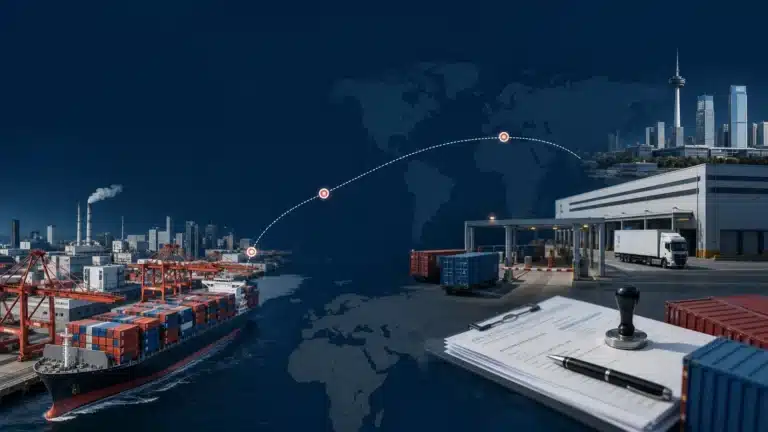

Expanding your business starts with the right production strategy and for many global brands, that strategy now points to Vietnam. Over the past decade, Vietnam’s manufacturing ecosystem has transformed into one of the most strategic options for companies seeking quality, scalability, and competitive costs. From electronics to garments and consumer goods, the country has built a solid reputation for reliability and innovation. Vietnam has become a top choice for global brands looking for quality and cost balance
In this guide, we’ll explore why Vietnam has become a preferred sourcing destination, what industries thrive here, how to find verified manufacturers, and how to start your production journey with confidence and control.
Read more: Best Alternative to China for Your Product Sourcing? Vietnam or Indonesia
Why Choose Manufacturing & Sourcing Products in Vietnam
Vietnam has become a global go-to for companies looking to diversify manufacturing beyond China. This shift is part of the broader “China+1 strategy,” where businesses maintain operations in China while expanding production to other countries to reduce risk and increase supply chain resilience.
- A rapidly growing manufacturing base: According to recent industry commentary, Vietnam is now not just a low-cost labour haven but a full-fledged manufacturing hub for textiles, furniture, electronics and components.
- Strategic trade positioning: Vietnam has multiple free trade agreements, making it a favourable destination for export-oriented production
- Competitive cost structure: While not the absolute cheapest in the region, Vietnam offers strong value and has a workforce increasingly skilled in export manufacturing.
- Diversification advantage: Global supply-chain shifts (China+1 strategy) mean Vietnam is now a credible alternative manufacturing base.
That said, choosing Vietnam is not simply “plug and play.” As we’ll see, you’ll need to do your homework.
Read more on guide to find manufacturer in China
How to Find a Manufacturer in Vietnam
Finding the right manufacturer in Vietnam can be a game-changer for scaling your product business. Start by exploring online factory directories, B2B platforms, trade shows, or competitor sourcing insights or work with a trusted sourcing partner like Zignify Global Product Sourcing to make the process smoother and more efficient.
1. B2B Websites & Online Platforms
When you’re looking for a partner to manufacture or source products in Vietnam, these platforms can help you connect directly to factories and verified suppliers. Use them to compare company profiles, check certifications, and request samples:
| # | Platform | Short Description |
| 1 | ExportHub – Vietnam Section | A global B2B directory with a dedicated Vietnam marketplace, listing Vietnamese manufacturers, suppliers and exporters. |
| 2 | VietFactory | A large directory of Vietnamese manufacturing companies across multiple industries, offering a “Request for Supplier” service to match buyers with factories. |
| 3 | TradeWheel – Vietnam Section | A global B2B platform with a specific Vietnam-supplier section, facilitating connections with Vietnamese suppliers across various product categories. |
| 4 | B2BMAP – Vietnam Portal | Vietnam-focused B2B marketplace and directory listing thousands of Vietnamese companies and products, aimed at helping buyers connect locally and abroad. |
| 5 | ACEvn.com (Vietnam & Asia B2B Marketplace) | A platform for Vietnamese and regional suppliers and manufacturers, covering a wide range of product categories and services. |
| 6 | VALO Vietnam | A sourcing-platform focused exclusively on “made in Vietnam” manufacturing, with verified suppliers and export-ready factories. |
| 7 | VietnamFactory B2B | A newer online marketplace dedicated to connecting global buyers with Vietnamese suppliers and factories. |
2. Free Online Manufacturer Directories
Here are 5 free online manufacturer directories in Vietnam that you can use to start your sourcing journey. These platforms allow you to browse Vietnamese manufacturers and suppliers without needing to pay for basic access.
| # | Directory | Short Description |
| 1 | VietFactory | A large directory of Vietnamese manufacturers, covering parts, apparel, food, electronics etc., with “Free Access to 50,000 Vietnam Manufacturers.” |
| 2 | Fact-Link Vietnam | Business directory focused on manufacturing in Vietnam: mould making, rubber/metal components, assembly, etc. |
| 3 | Vietnam Manufacturers | A catalog directory of Vietnam companies by sector (mechanical, electronics, goods, etc). |
| 4 | Vietnam Yellow Pages | A broad business directory in Vietnam listing manufacturers, exporters, suppliers across many industries. |
| 5 | Kompass Vietnam – Exporter Directory | International business directory with Vietnam exporter/manufacturer listings. |
3. Visit Trade Shows
Here’s a curated list of prominent trade shows in Vietnam that are especially useful for sourcing manufacturers or assessing production capabilities.
Before visiting, make sure to prepare a detailed supplier questionnaire, advance preparation helps you ask the right questions, evaluate capabilities effectively, and build stronger relationships on-site.
| # | Event Name | Description |
| 1 | Vietnam Manufacturing Expo (VME) | Vietnam’s leading exhibition on machinery and technology for manufacturing and supporting industries. |
| 2 | Vietnam International Industrial Fair (VIIF) | A long-established industrial machinery & equipment fair in Vietnam, showcasing automation, tooling, and supporting industries. |
| 3 | Vietnam Industrial & Manufacturing Fair (VIMF) | Focused on manufacturing, metal-working, tooling and subcontracting industries in Vietnam. |
| 4 | Vietnam Expo (Vietnam International Trade Fair) | A broad trade fair in Vietnam covering machinery, electronics, hardware and general manufacturing suppliers. |
| 5 | Vietnam Manufacturing Expo Machinery & Automation Section | A specialised section in the manufacturing expo focusing on automation and technology in Vietnam’s production industry. |
| 6 | Vietnam Manufacturing Expo | Another listing for VME, emphasising production line improvement and smart manufacturing in Vietnam. |
4. Join Product Forums, Talks, or Events
Participate in online communities such as sourcing Facebook groups, or industry-specific forums based in Vietnam. These platforms allow you to exchange experiences, get factory recommendations, and learn from other importers’ real-world insights.
5. Visit Vietnam’s Wholesale Markets
If you can visit Vietnam in person, going to major wholesale hubs gives you a huge advantage in sourcing. It allows you to assess product quality first-hand, observe supplier operations, and explore broad assortments. Here are some of the most well-known markets:
| # | Market Name | Location | Main Products | Key Highlights |
| 1 | Đồng Xuân Market | Hanoi – Hoàn Kiếm District | Clothing, accessories, fabrics, electronics & household goods | The largest indoor wholesale market in Hanoi; multiple floors of goods, used by wholesalers from across northern Vietnam. |
| 2 | Long Biên Market | Hanoi – Phúc Xá, Ba Đình District | Fruits, vegetables, fresh produce, foodstuffs | Major wholesale hub for agricultural produce; runs late night/early-morning; trucks deliver province-wide. |
| 3 | An Đông Market | Ho Chi Minh City – District 5 | Fashion, textiles, footwear, accessories | Known as a wholesale fashion centre; many stalls supply retailers; good for clothing sourcing. |
| 4 | Bình Tây Market | Ho Chi Minh City – District 6 (Chợ Lớn) | Textiles, garments, kitchenware, household goods, dried food | One of the largest wholesale markets in Saigon; over 2,000 stalls; major destination for bulk buyers. |
| 5 | Tân Bình Wholesale Clothing Market | Ho Chi Minh City – Tân Bình District | Ready-made clothing wholesale lots | Recognised for low-cost wholesale garments; lots sold in batches of 10-12 pieces; strong for smaller clothing lines. |
| 6 | Bình Điền Wholesale Market | Ho Chi Minh City – District 8 | Seafood, fresh produce, livestock meat | Spans ~65 hectares; supplies a large share of the city’s fresh-food wholesale needs. |
| 7 | Phùng Khoang Market | Hanoi – Nam Từ Liêm District | Sportswear, casual clothing, daily-wear items | A textile-oriented wholesale market in northern Vietnam with competitive pricing. |
| 8 | Ninh Hiệp Market | Hanoi – Gia Lâm District | Garment fabrics, accessories, wholesale clothing inputs | Recognised wholesale hub near Hanoi for fabrics and accessories sourcing. The best time to visit is between March and May or September and November, when weather conditions are comfortable and major textile trade events often take place. |
6. Consult Experts in Product Sourcing
If you’re new to sourcing or lack local connections in Vietnam, consulting with sourcing experts can save you from costly mistakes and scams. Professionals like Zignify Global Product Sourcing help you identify verified factories, manage communication, and ensure product quality through audits and inspections so you don’t have to navigate the risks alone.
By letting Zignify handle supplier vetting, negotiations, and production management, you save time, money, and frustration. Their local expertise ensures you get reliable manufacturers, transparent pricing, and smooth operations from start to shipment.
Step-by-Step Working With Vietnamese Manufacturers
Once you’ve shortlisted potential suppliers, the next step is transforming your concept into a real product. Partnering with Vietnamese manufacturers requires patience, clear communication, and consistent follow-ups. Here’s a straightforward process to ensure smooth collaboration:
- Send Clear Product Specifications: Provide detailed requirements such as materials, measurements, colors, packaging, and certifications. Precise information helps avoid errors and misunderstandings later.
- Request Samples or Prototypes: Never skip this step. Request a sample to verify the factory’s capabilities, craftsmanship, and overall quality before confirming a large order.
- Negotiate Pricing and Terms: Discuss not only pricing but also the MOQ (Minimum Order Quantity), lead time, payment schedule, and shipping options. Be transparent about your expectations and ask for flexible terms when possible.
- Verify Factory Credentials: Before placing any order, confirm that the factory is legitimate and capable of handling your project. Third-party inspection services or sourcing experts can help ensure reliability.
- Sign a Manufacturing Agreement: Protect yourself with a written contract that includes specifications, delivery timelines, payment terms, and penalties for defects or delays. This helps prevent disputes and miscommunication.
- Monitor Production Progress: Stay in touch throughout production. Regular updates help you catch potential issues early, ensuring products meet your expectations.
- Perform Quality Checks Before Shipping: Arrange pre-shipment inspections to confirm the final goods meet your approved sample and quality standards.
- Manage Shipping and Logistics: Choose your preferred transport method from sea, air, or express based on your budget and urgency. Most Vietnamese manufacturers can assist with export documentation and customs procedures.
If these steps feel overwhelming, consider partnering with experts like Zignify Global Product Sourcing. Their multilingual team can help you overcome language barriers in Vietnam and manage everything from supplier vetting to logistics saving you time, money, and potential risks.
What’s the Safest and Most Efficient Way to Manufacture in Vietnam?
Manufacturing in Vietnam can be both exciting and overwhelming. Between language barriers, factory verification, and logistics, it’s easy to make costly mistakes. Not every supplier you find online is reliable, and sometimes what looks great on paper turns into delays, hidden costs, or disappointing product quality.
The truth is, even experienced importers can struggle to navigate Vietnam’s sourcing landscape without local insights. That’s where Zignify Global Product Sourcing comes in. Our team helps you verify factories, negotiate fair pricing, and manage quality inspections and logistics from start to finish.
With experts on the ground in Vietnam, we help you navigate language and cultural differences so you can manufacture with confidence, saving time, avoiding scams, and ensuring smooth production every step of the way.
Frequently Asked Questions about sourcing and manufacturing in Vietnam
What types of products are best to manufacture or source in Vietnam?
Vietnam has strong capability in sectors such as textiles/apparel, footwear, furniture, plastics/rubber, and consumer goods.
How do I find reliable manufacturers in Vietnam?
Finding trustworthy suppliers in Vietnam requires several steps: using B2B directories and Vietnam-specific sourcing platforms, attending trade shows or factory visits, verifying export licences and certifications, checking past references and sample quality.
What are typical minimum order quantities (MOQs) and lead times when sourcing from Vietnam?
MOQs in Vietnam can vary widely depending on industry and factory. Some suppliers expect relatively high MOQs because their supply-chain depth is still developing compared with more mature hubs. Consider to start with small trial orders
What are the main risks when manufacturing in Vietnam and how can I mitigate them?
Key risks include: limited supply-chain depth (requiring imports of raw materials/components), poorer logistics/infrastructure in some regions, language/cultural barriers, quality control variability, and rising costs.
Mitigation strategies include: rigorous supplier vetting, factory visits or audits, sample approvals, quality checks, clear contracts, and working with sourcing agents or local experts.
How does sourcing from Vietnam compare with China?
Vietnam is increasingly seen as a credible “China+1” alternative. Some advantages include competitive labour costs, favourable trade agreements, a rising manufacturing base. But also trade-offs: not as mature supply chain, sometimes higher MOQs, some components still need import.
How can I ensure quality control when sourcing products in Vietnam?
Quality assurance should include: sample/ prototype approvals; pre-production inspections; in-line or mid-production checks; and final pre-shipment inspections. Also verify factory certifications (ISO, export licences), conduct audits or factory visits, and use third-party inspection services. Clear specs, drawings, and agreed tolerances also help reduce defects.
Are there language, cultural or business-practice differences I should prepare for when working in Vietnam?
Yes. Business culture in Vietnam emphasises relationships, respect for seniority/hierarchy, and interpersonal trust.
What trade-agreements or tariff/ duty advantages does Vietnam offer for sourcing?
Vietnam has entered multiple free trade agreements (such as the CPTPP and EVFTA), making it an attractive export base with favorable tariff conditions. In addition, sourcing from Vietnam helps diversify risk in the “China+1” era, and the country’s relatively stable political relationship with the U.S. adds another layer of security for global businesses.