Manufacturing by Category
Find manufacturers, factories, and production partners for any product – whether you’re sourcing an existing product line, launching a private label brand, or developing something new.
Every product has a manufacturing home – a country, a factory cluster, or a production network that has developed around it over decades. Knowing where cosmetics are made, who produces supplements at scale, which factories handle electronics assembly, where apparel manufacturers cluster, and how to reach them directly is what separates buyers who source efficiently from those who spend months searching in the wrong places. This hub covers the manufacturing landscape for every major product category – where things are made, who makes them, what OEM, private label, and contract manufacturing options exist, and what buyers need to know before approaching a factory.

Source Korean beauty products the right way. A practical guide to OEM, ODM, private label, MOQs, ...
- May 11, 2026

What certifications do you need to import and sell cosmetics in the US? FDA registration, MoCRA, ...
- May 10, 2026

CE marking requirements, FCC, and UL explained for sellers shipping electronics into the US and EU. ...
- May 10, 2026
Discover how to find, screen, and work with verified private label manufacturers. A complete guide for ...
- Apr 04, 2026
Discover the Best Wholesale Websites to Source Cosmetics and Handbags from China ...
- Feb 02, 2026

Explore the 2026 product manufacturing guide: top manufacturing countries, how to manufacture products globally, and best ...
- Oct 16, 2025
Learn what white label cosmetics are, how they work, their pros and cons, and steps to ...
- Oct 15, 2025
Discover how bamboo packaging can make your cosmetics eco-friendly, premium, and shareable. Learn trends, benefits, case ...
- Oct 12, 2025

In this guide, we’ll explore the hottest gadget trends of 2026, reveal where they’re manufactured, and ...
- Oct 05, 2025
Discover drone delivery trends, technologies, and sourcing hubs. Learn where to source drones and be part ...
- Oct 02, 2025
Discover 2025’s 3D printing trends, where to manufacture worldwide, and how to get started with additive ...
- Sep 27, 2025

Discover 2025 trends in white label cosmetics, key compliance requirements, and a step-by-step guide to launch ...
- Sep 25, 2025
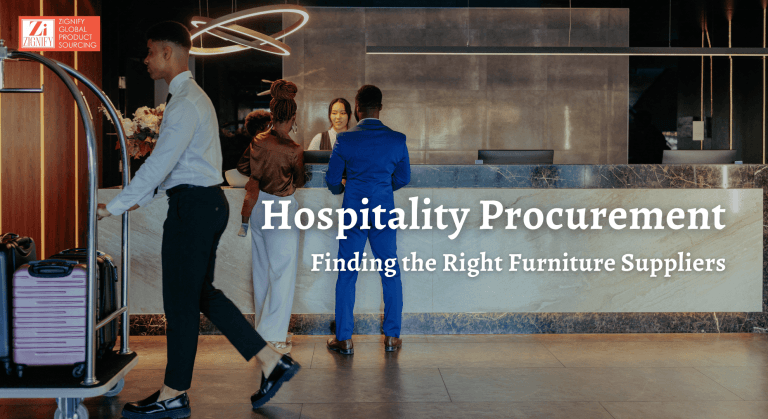
Hospitality procurement is more than just buying products—it's a strategic function that directly impacts customer satisfaction, ...
- Aug 26, 2025
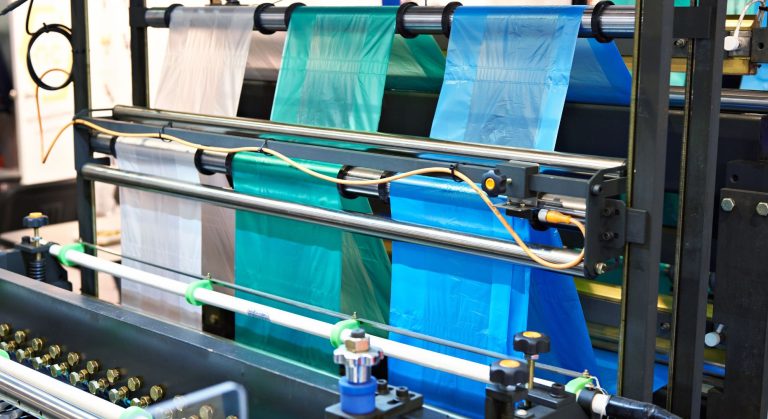
Discover the best countries for plastics and packaging production in 2025. Learn about materials, red flags, ...
- Aug 22, 2025
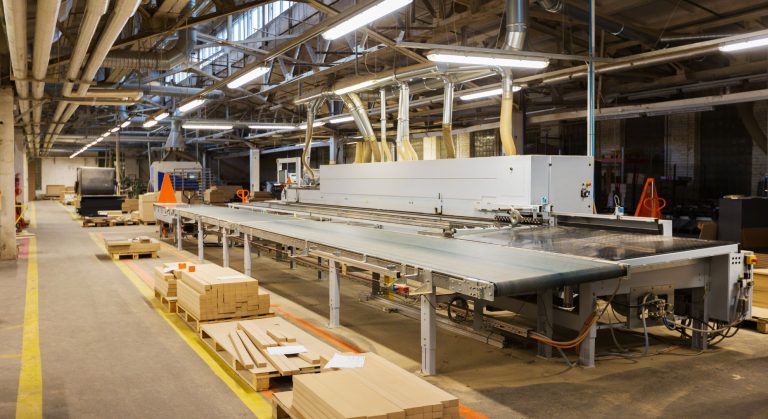
Explore the best countries for wood and timber manufacturing in 2025. Learn about materials, certifications, red ...
- Aug 22, 2025
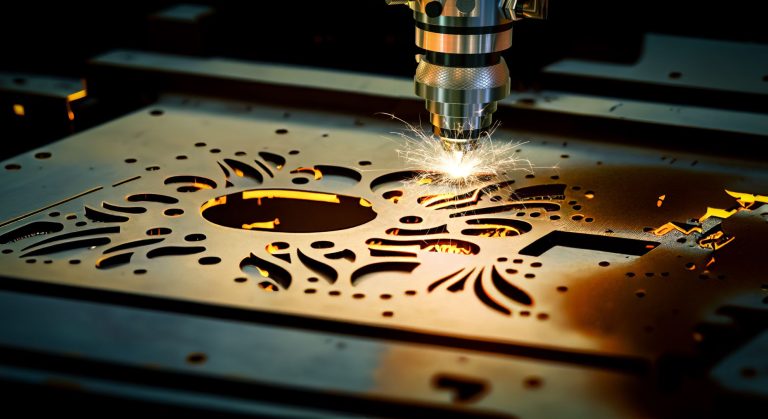
Learn the best countries for sourcing metal components in 2025, cost drivers, pitfalls to avoid, and ...
- Aug 21, 2025
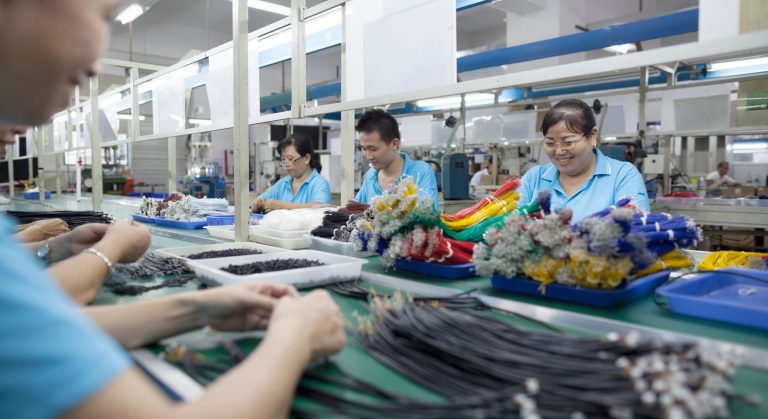
Discover the top strategies to find a reliable sourcing agent in China. Learn key tips, avoid ...
- Aug 21, 2025
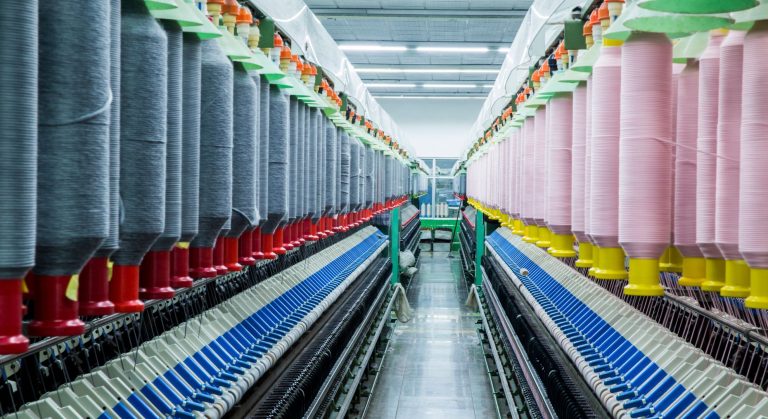
Learn where to source textiles and apparel in 2025. Compare top countries, costs, and certifications. Avoid ...
- Aug 20, 2025

Hospitality procurement is more than just buying products—it’s a strategic function that directly impacts customer satisfaction, ...
- May 05, 2025
France leads in luxury formulations, South Korea in skincare innovation, China in cost-effective scale. But the ...
- Apr 22, 2025

3D printing and on-demand manufacturing are reshaping online retail. Learn how sellers can reduce inventory risks ...
- Mar 06, 2025

The pet industry has really exploded in recent years, and with reports saying it could hit ...
- Dec 11, 2024
Beauty, Cosmetics & Personal Care
The global cosmetics manufacturing industry is concentrated in a handful of production hubs – Guangzhou and Shanghai in China, Seoul and Incheon in South Korea, northern Italy for prestige formulations, and emerging clusters in India and Southeast Asia. Each hub specialises differently: Chinese factories dominate volume and competitive pricing, Korean manufacturers lead in formulation innovation and K-beauty aesthetics, European producers serve premium and natural cosmetic brands. Whether you are sourcing finished cosmetics, white label skincare, private label beauty products, or OEM formulations under your own brand, the choice of manufacturing country and factory tier matters as much as the product specification itself.
Apparel, Textiles & Fashion
Clothing and textile manufacturing is the most geographically distributed product category in global sourcing. Bangladesh, Vietnam, India, Turkey, China, Cambodia, and Indonesia all have significant garment manufacturing industries – each with different strengths in product type, quality tier, minimum order quantity, and lead time. Cut and sew manufacturers, CMT factories, full-package producers, and private label apparel manufacturers all operate differently and suit different buyer needs. Our guides cover the apparel manufacturing landscape by country and product type – from basics and essentials to technical wear, sensory clothing, and fashion-forward categories.
Electronics, Smart Devices & IoT Products
Electronics manufacturing is dominated by China – but the landscape within China varies enormously by product complexity, component sourcing, and factory capability. PCB manufacturing, consumer electronics assembly, smart home device production, and IoT product development each require different factory types and different approaches to sourcing. Certification requirements (CE, FCC, RoHS) add a compliance layer that many first-time electronics buyers underestimate. Vietnam and Malaysia are growing as electronics assembly alternatives, particularly for labour-intensive assembly work. Our guides cover where to find electronics manufacturers, what to look for in a factory audit, and how to navigate the certification process without it becoming a production bottleneck.
Packaging, Plastics & Industrial Products
Packaging sourcing is one of the most overlooked cost centers in product development – and one where significant savings are available with the right supplier relationships. Custom packaging manufacturers in China, India, and Southeast Asia produce everything from rigid plastics and flexible packaging to paper, glass, and sustainable materials. Industrial product sourcing covers a broader range of buyer needs – components, raw materials, machined parts, and production inputs that manufacturing businesses need to maintain or expand their own production operations. Our guides cover packaging and industrial product sourcing by material type, production process, and buyer profile.
Industrial Components, Raw Materials & Heavy Industry
Industrial sourcing is a different discipline from consumer product sourcing – but the fundamentals are the same. Whether you need steel plates, machined components, spare parts, industrial fasteners, raw materials, or specialised equipment parts, finding verified manufacturers and suppliers who can meet technical specifications, delivery schedules, and quality standards at scale requires the same rigour as any consumer product category. Zignify’s team sources industrial and heavy industry products for manufacturing businesses and procurement managers – from structural steel and metal components to machinery parts, chemical inputs, and production materials. If your business needs it to operate, we can source it.
Food, Beverage & Ingredient Sourcing
Food and beverage manufacturing sits at the intersection of sourcing and compliance – finding a co-manufacturer or ingredient supplier is only part of the challenge. Food safety certifications, labelling requirements, shelf life testing, and import regulations vary significantly by destination market and product type. Whether you are sourcing raw ingredients, finished food products, or looking for a co-manufacturer to produce under your brand, understanding the regulatory landscape for your specific product and target market is as important as finding the right factory. Our guides cover food and beverage sourcing by product category with honest assessments of what compliance actually requires.
Can’t Find Your Product Category?
Not every product fits a standard category – and Zignify’s sourcing team works across product types that most sourcing guides don’t cover. Sensory wear, solar energy components, home care products, pet accessories, furniture, automotive parts, medical devices – if it can be manufactured, it can be sourced. Our guides cover the categories we are asked about most frequently, but the team works across the full spectrum of global manufacturing.
Frequently Asked Questions
How do I find a manufacturer for my specific product?
The starting point is identifying which country and factory type suits your product – and that depends on your order volume, quality requirements, target price, and whether you need an existing product, a white label version, or a custom-developed product. Platforms like Alibaba and Global Sources are starting points for supplier discovery, but the most reliable manufacturers for specific product categories are often found through trade fairs, sourcing agents with category expertise, or industry-specific directories. Our product category guides cover where manufacturers cluster for each product type and how to approach them effectively.
What is the difference between OEM, ODM, and private label manufacturing?
OEM (Original Equipment Manufacturer) produces products to your specification – you own the design and the factory makes it. ODM (Original Design Manufacturer) offers existing designs that you can customise and sell under your brand. Private label is a subset of ODM – you take an existing product, apply your branding, and sell it as your own. The right model depends on whether you have a proprietary product design, how much development investment you want to make, and what level of product differentiation your market requires.
What is contract manufacturing and when does it make sense?
Contract manufacturing means outsourcing your production entirely to a third-party factory that manufactures to your specification at agreed quality standards and volumes. It makes sense when you have a product design but no production capability, when you want to scale production without capital investment in equipment, or when you want to access manufacturing expertise and capacity in a lower-cost market. Contract manufacturers operate across virtually every product category – from supplements and cosmetics to electronics, apparel, and industrial components.
How do I know if a manufacturer can handle my product requirements?
The key questions are: does the factory have experience with your specific product type, do they hold the certifications your target market requires, what is their minimum order quantity and how does it compare to your volume, can they provide references from comparable buyers, and will they allow a third-party factory audit. Requesting samples before committing to production is non-negotiable regardless of product category – and a factory visit or third-party inspection adds a verification layer that platform profiles and video calls cannot replace.
Which countries are best for manufacturing my product?
The answer depends entirely on your product category. China offers the widest range of manufacturing capability and the most developed supplier infrastructure across almost every category. Vietnam leads for apparel, footwear, and electronics assembly. India is strongest for textiles, pharmaceuticals, and engineering components. South Korea leads for cosmetics formulation and K-beauty products. Bangladesh dominates garment manufacturing at high volume. Turkey offers fast lead times for fashion and leather goods. Our country-by-country sourcing guides cover this in detail for each manufacturing market.
Let's talk
Tell Us What You Need to Manufacture
Finding the right manufacturer for your product takes more than a platform search – it takes category knowledge, supplier relationships, and the ability to verify a factory before you commit. Zignify’s team of 60+ sourcing experts has sourced products across every major manufacturing category for 5,000+ clients in 50+ countries, saving over $500 million. Tell us what you need and we’ll find the right manufacturer for it.
No commitment required | 5,000+ companies helped
