











How to find reliable suppliers, verify their credentials, assess quality, and protect your business before placing an order – whether you’re sourcing from China, Indonesia, Vietnam, Europe or anywhere else in the world.
Choosing the wrong supplier is one of the most expensive mistakes in product sourcing. Failed inspections, unusable stock, missed deadlines, and money paid to manufacturers who disappear – almost all of it is preventable with the right vetting process. This hub covers every stage of supplier vetting: how to find manufacturers, evaluate them before committing, verify their credentials, visit their factories, and put the right agreements in place before a single order is placed.
In today’s global manufacturing landscape, understanding the differences between OEM (Original Equipment Manufacturer), ODM (Original Design ...
When it comes to sourcing from China, there’s really nothing like stepping onto the factory floor ...
In the globalized marketplace, China has emerged as a prominent hub for manufacturing and exporting various ...
A factory tour? No, thank you. What would I be doing in a factory? That’s a ...
A factory tour? No, thank you. What would I be doing in a factory? That’s a ...
When starting or growing a business, finding reliable suppliers is crucial. The right suppliers not only ...
Thinking about sourcing products from Indonesia? You’re making a fantastic choice. Indonesia is becoming a global ...
Product sourcing is a crucial aspect of any e-commerce business as it involves identifying, evaluating, and ...
Running a business means juggling a million things simultaneously, including ensuring your products or services meet ...
Not every factory on Alibaba is a factory. Not every trading company will tell you they’re a trading company. The supplier landscape – in China and beyond – is full of intermediaries, overextended manufacturers, and businesses that look credible online but cannot deliver at scale. Knowing how to identify the right supplier type for your product – whether that’s a wholesale supplier, a contract manufacturer, a private label producer, or a factory-direct source – and what questions separate serious operations from time-wasters is the foundation of every successful sourcing operation.
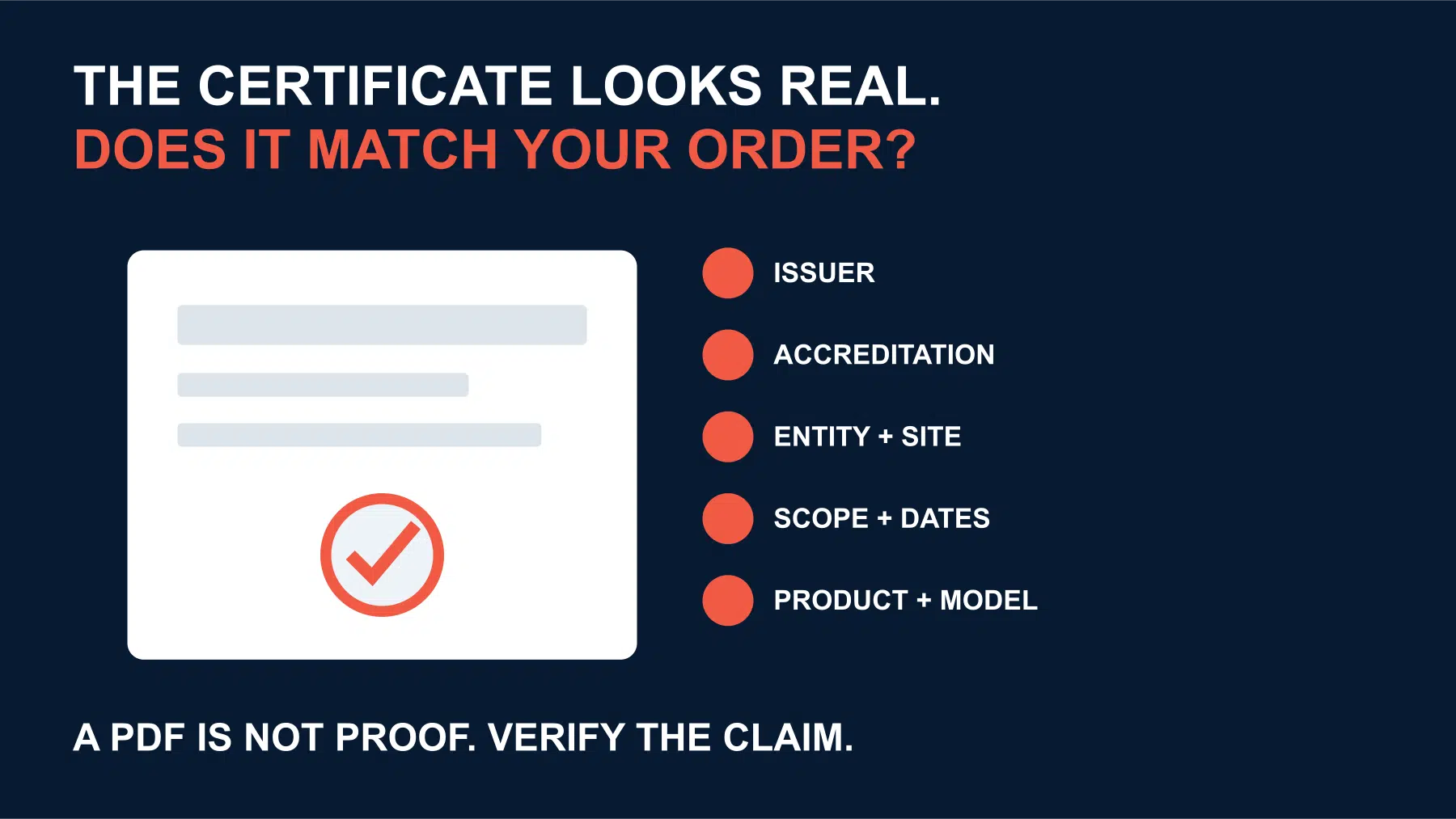
A supplier’s platform profile, certifications, and sales pitch tell you what they want you to believe. Verification tells you what is actually true. The process covers checking business registration and factory status, reviewing trade history and buyer references, assessing production capacity against your order volume, and identifying the warning signs that experienced sourcing teams spot immediately – and first-time buyers miss until it is too late.
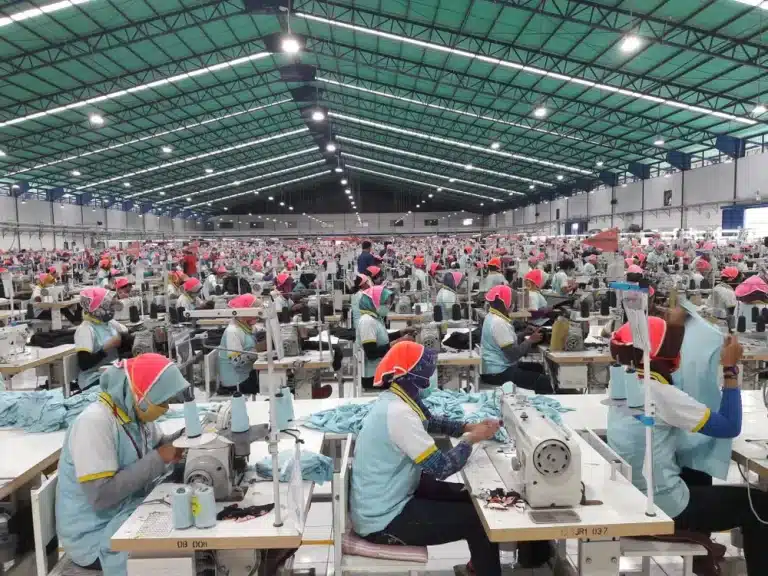
No online research replaces seeing a factory in person. A factory visit reveals things no video call or profile page will – the real scale of the operation, whether machinery matches production claims, how the floor is organised, and whether the people running it are someone you want a long-term relationship with. Our guides cover how to plan a factory visit, what to look for when you arrive, and how to turn your observations into a clear decision.
Private label and contract manufacturing open up a different set of opportunities – and a different set of risks. Whether you’re developing a product from scratch, customising an existing design, or looking for an OEM producer to manufacture under your brand, the vetting process goes deeper than standard supplier checks. Production capability, tooling ownership, minimum run sizes, and IP protection all need to be assessed before you commit to a manufacturing partner. Our guides cover what to look for, what to ask, and how to structure agreements that protect your product.
Price is only one part of what supplier negotiations should achieve. The terms you agree on before production starts – MOQ flexibility, payment schedules, lead times, quality standards, and what happens when something goes wrong – determine whether a supplier relationship actually works in practice. Getting these right from the beginning protects your margins and gives you leverage as order volumes grow.
Supplier vetting is the process of verifying a supplier’s legitimacy, capabilities, and reliability before placing an order. It covers checking business registration and factory status, assessing production capacity, reviewing quality certifications, and ideally conducting a factory visit or third-party audit. Skipping this process is the single most common reason buyers end up with unusable stock, missed deadlines, or money paid to manufacturers who disappear.
Verification works in layers – platform checks first (trade history, verified status, business licence), then direct communication and reference checks from existing buyers, then sample ordering to assess quality and responsiveness, and finally a factory audit either in person or through a third-party inspection company. Each layer filters out a different type of risk. None of them alone is sufficient.
A manufacturer produces the goods directly – you are dealing with the factory. A trading company acts as an intermediary, sourcing from multiple factories and adding a margin. Trading companies can offer more flexibility on MOQ and product variety but at higher unit cost and with less direct control over production quality. Knowing which type you are dealing with before negotiating changes your entire approach to pricing and quality control.
The most revealing things during a factory visit are rarely on the official tour. Look at:
A structured checklist prepared before you arrive makes the difference between a productive visit and an expensive day trip.
Negotiation works best when framed as building a long-term partnership rather than extracting concessions. Lead with volume potential and payment reliability rather than opening with price pressure. Negotiate MOQ, payment terms, and lead times alongside price – these often have more impact on total margins than unit price alone. Having competing supplier quotes gives you leverage without requiring aggressive tactics that damage trust before production starts.
No commitment required | 5,000+ companies helped

Zignify Global Product Sourcing
Good day to you! How can we help you today? The more information you share, the easier it will be for us to assist. Thank you!